Event & Conference Technology
Share this post Facebook Twitter LinkedIn Email

In today’s digital era, Audio Visual (AV) technology plays a crucial role in how businesses communicate, collaborate, and present information. From corporate boardrooms and educational institutions to large-scale events and entertainment venues, AV solutions have become an essential part of modern infrastructure. By combining sound, visuals, and advanced technology, audio visual systems help organizations create engaging, efficient, and immersive experiences.
As businesses continue to evolve in a technology-driven environment, the demand for reliable and innovative AV solutions is growing rapidly.
Audio Visual technology refers to systems and equipment that combine audio (sound) and visual (video or images) to deliver information or enhance communication. These systems are designed to make presentations, meetings, events, and learning experiences more interactive and impactful.
Common AV components include:
Display screens and LED walls
Projectors and projection systems
Microphones and sound systems
Video conferencing systems
Digital signage displays
Control systems and automation technology
When integrated properly, these elements work together to create seamless communication and presentation environments.
Businesses today rely heavily on effective communication and collaboration. AV technology helps organizations deliver information clearly, improve engagement, and streamline operations.
High-quality sound systems, large displays, and video conferencing tools ensure that messages are delivered clearly and effectively. This is particularly important in corporate meetings, presentations, and conferences.
Modern workplaces often operate with remote teams and hybrid work models. AV solutions such as video conferencing and interactive displays enable teams to collaborate in real time regardless of their location.
A well-designed AV setup can transform ordinary presentations into compelling visual experiences. Large screens, high-resolution visuals, and clear audio help capture attention and convey information effectively.
By simplifying communication and reducing technical difficulties, AV systems help teams focus on their work rather than dealing with equipment issues.
AV technology is widely used across different industries, each benefiting from improved communication and visual engagement.
Modern boardrooms and meeting rooms rely on AV systems such as smart displays, wireless presentation tools, and video conferencing solutions. These technologies support collaboration between teams located in different offices or countries.
Educational institutions use AV solutions to create interactive learning environments. Smart classrooms with digital boards, projectors, and audio systems make lessons more engaging and easier to understand.
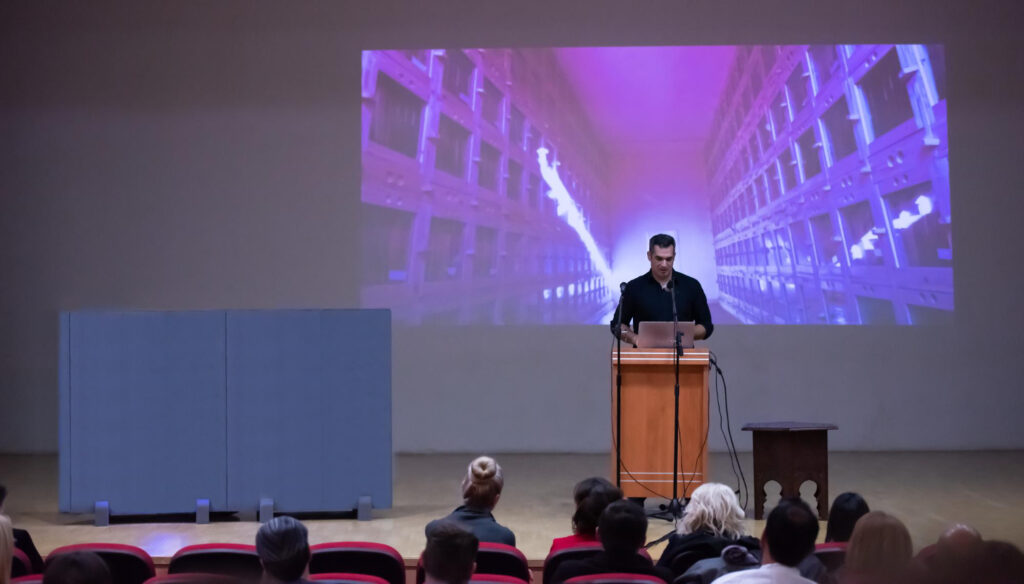
Large-scale events require professional AV setups to ensure clear sound, impactful visuals, and seamless presentations. LED walls, professional sound systems, and live streaming technologies help deliver immersive event experiences.
Retail businesses use digital signage and display technologies to attract customers and highlight products. Dynamic visual content helps brands communicate their message effectively.
Hotels and convention centers rely on AV systems for conferences, banquets, and entertainment. High-quality audio and visual systems enhance guest experiences and support large events.
A well-designed AV solution consists of several integrated components that work together smoothly.
Display Technology
This includes LED displays, video walls, monitors, and projection systems that present visual content clearly.
Audio Systems
Speakers, microphones, and sound processors ensure clear and balanced audio during meetings or events.
Video Conferencing Systems
These systems allow remote communication through cameras, microphones, and collaboration platforms.
Control and Automation Systems
Centralized control systems allow users to manage lighting, sound, displays, and other equipment with a single interface.
Connectivity and Networking
Modern AV systems rely on reliable networking and wireless connectivity for smooth operation and content sharing.
AV technology continues to evolve as new innovations improve functionality and user experience.
Smart Meeting Rooms
Meeting rooms equipped with automated lighting, smart displays, and wireless presentation systems are becoming increasingly popular.
LED Video Walls
Large LED displays provide high brightness and clarity, making them ideal for events, control rooms, and corporate spaces.
Hybrid Collaboration Tools
With remote work becoming common, organizations are investing in AV systems that support seamless hybrid meetings.
AV over IP Technology
This technology allows audio and video signals to be transmitted through standard network infrastructure, improving flexibility and scalability.
Interactive Displays
Touch-enabled displays allow users to interact directly with presentations, making meetings and learning sessions more engaging.

Share this post Facebook Twitter LinkedIn Email